

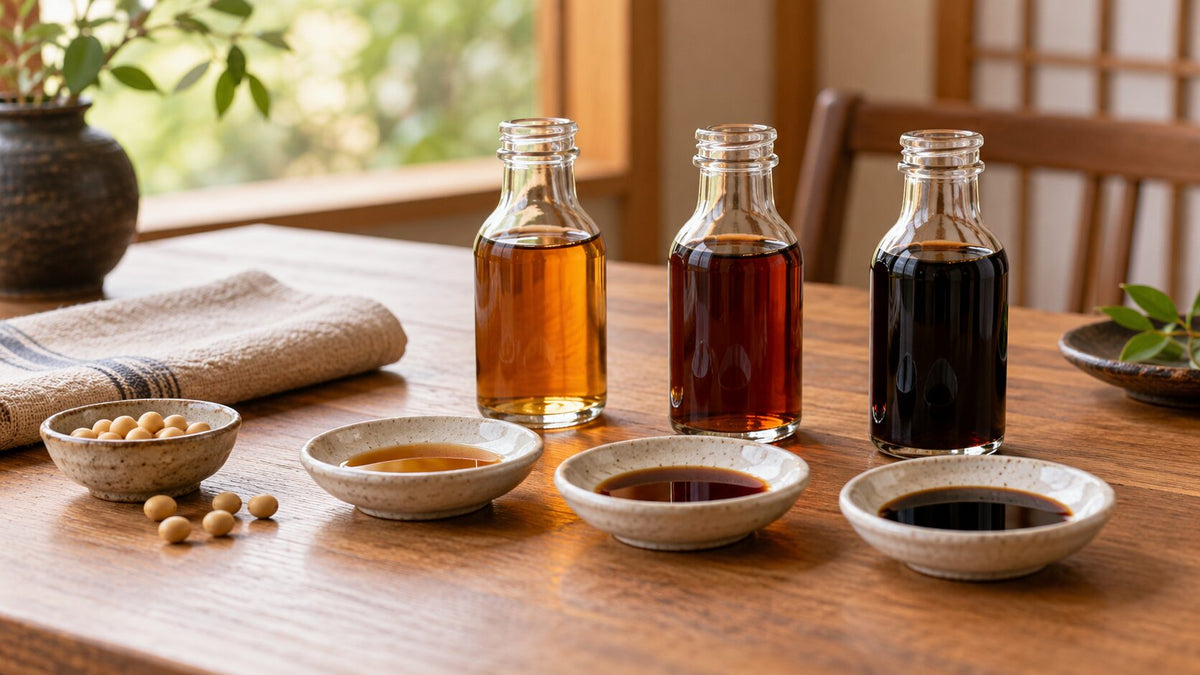
A Japanese soy sauce gift set can be a thoughtful choice for someone who enjoys cooking, but the best set is not necessarily the one with the most bottles. What matters is contrast: sauces that taste different, suit different dishes, and come with enough information to help the recipient use them.
What to Look for in a Japanese Soy Sauce Gift Set
Start with the label rather than the packaging. A useful set should identify the style of each soy sauce, list its ingredients and allergens, and explain how it is intended to be used. Bottle size matters too. Smaller bottles make sense for a tasting set because the recipient can compare several styles without leaving large quantities open for months.
For an introductory gift, two or three clearly different sauces are usually more helpful than several near-identical bottles. A familiar all-purpose soy sauce creates a baseline, while a lighter-colored or more concentrated style gives the recipient something meaningful to compare.
The Five Main Japanese Soy Sauce Styles
Japanese soy sauce is commonly grouped into five main styles. The exact flavor varies by brewer, ingredients, and aging, so the current product label should always guide the final choice.
- Koikuchi: The dark, versatile style many people recognize. It works well for dipping, marinades, noodle broths, and simmered dishes.
- Usukuchi: Lighter in color but often noticeably salty. It is useful when seasoning soups, eggs, or vegetables without darkening them as much.
- Tamari: Typically richer and fuller-bodied. Some versions use little or no wheat, but never assume a bottle is gluten-free unless the label says so.
- Saishikomi: A deeply flavored, twice-brewed style suited to dipping or finishing foods in small amounts.
- Shiro: Very pale soy sauce used when gentle color is important. Its delicate appearance does not mean it is low in sodium.
A beginner-friendly gift might pair koikuchi with usukuchi. A more adventurous set could add tamari, saishikomi, or shiro for a broader tasting experience.
How to Match the Set to the Recipient
Choose for the way the recipient actually cooks. Someone new to Japanese food will benefit from familiar uses and simple serving notes. A confident home cook may enjoy subtle differences in fermentation or regional style. A recipient who cooks infrequently is more likely to appreciate compact bottles than a large pantry-sized assortment.
- For everyday cooks: Look for a versatile koikuchi-based set with one contrasting style.
- For curious food lovers: Choose three or more distinct styles and include a simple tasting order.
- For people with dietary restrictions: Check wheat, soy, alcohol, and sodium information on every bottle.
- For international recipients: Confirm bottle material, package protection, import restrictions, and current delivery estimates before ordering.
A Simple Soy Sauce Tasting at Home
A guided tasting helps the gift feel purposeful. Pour only a small amount of each sauce into separate dishes and taste from pale to dark. Plain foods make differences easier to notice: rice, silken tofu, boiled egg, blanched vegetables, or unsalted grilled mushrooms all work well.
- Label each dish so the sauces do not get mixed up.
- Smell each sauce before tasting it.
- Try a tiny amount on its own, then with one plain food.
- Notice saltiness, sweetness, aroma, body, and aftertaste.
- Write down one dish each sauce would suit.
There is no correct favorite. The point is to help the recipient understand why one bottle works better for a clear soup while another suits dipping or a rich marinade.
Useful Label and Storage Checks
Words such as “light,” “tamari,” and “naturally brewed” need context. “Light” may refer to color rather than sodium. Tamari is not automatically gluten-free. “Naturally brewed” is most useful when the label also explains ingredients and production.
After opening, follow the maker’s storage directions. In general, bottles should be sealed tightly and kept away from heat and direct light; refrigeration is often recommended to preserve flavor. Smaller bottles can be a better gift when the recipient uses soy sauce slowly.
A Relevant Tableware Pairing
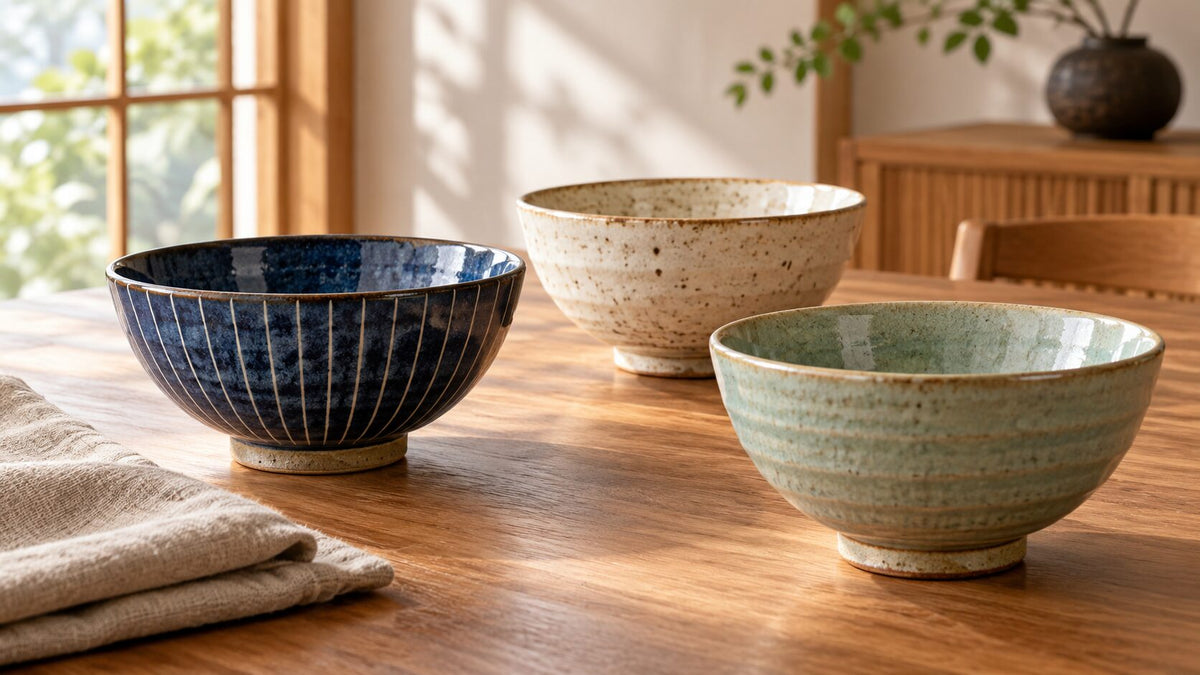
Gift Me Japan does not currently list an active soy sauce or condiment set, so this guide does not link to an unavailable food product. If you want to add a practical serving piece, the active Japanese Sakura & Momiji Rice Bowl Gift Set (Set of 2) is a relevant option for serving rice alongside a tasting meal. It is tableware rather than a soy sauce product, so the pairing remains clear and honest.

Final Checklist Before You Buy
- Are the soy sauce styles clearly named?
- Do the bottles offer real contrast rather than duplicate flavors?
- Are ingredients, allergens, and storage directions available?
- Are the bottle sizes realistic for the recipient’s cooking habits?
- Is the packaging suitable for glass and international transit?
- Does the current listing show exactly what is included?
A good Japanese soy sauce gift set should be easy to understand and enjoyable to use. Choose a small, well-explained selection, add a short tasting note, and verify the practical details before ordering. For more ideas, see the guide to Japanese food gifts for food lovers and check Gift Me Japan’s current shipping policy before sending a gift overseas.

Share:
Japanese Food Gifts for Foodies: How to Choose Well
Senbei vs Arare Rice Crackers for Japanese Gifts