

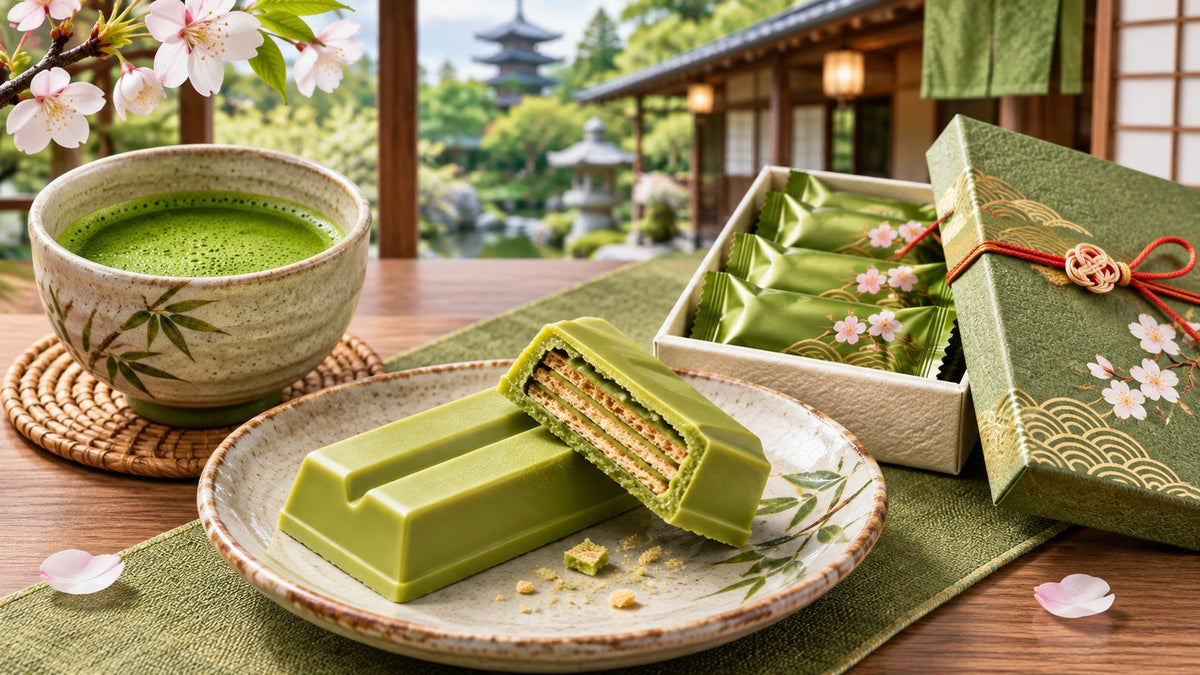
You're holding a green-wrapped Matcha Kit Kat, or looking at one online, and wondering whether it's a thoughtful Japanese gift or a familiar chocolate bar in a different colour. Then you notice another green pack with a different name. Will it taste creamier, more bitter, or much the same?
The useful starting point is that Matcha Kit Kat is a family of formulations, not one identical green bar. Understanding the tea flavour, the regional wording, and the separate good-luck meaning helps you choose something that feels considered rather than random.
What a Matcha Kit Kat Is
A Matcha Kit Kat is a crisp wheat wafer covered in a sweet, cocoa-and-milk-based coating that carries powdered green tea. The matcha isn't brewed into a cup and then poured over the wafer. Its powder becomes part of the coating, contributing grassy aroma, a little bitterness, and the recognisable green colour.
The usual build includes wafer, sugar, vegetable oil, dairy solids, cocoa ingredients, matcha or green tea, and a soy-derived emulsifier. Exact formulations differ, so this is a description of the product family, not a substitute for an individual pack's ingredient list. It's also why the bar tastes like confectionery with tea in it, rather than a crunchy version of unsweetened matcha.
A familiar wafer with a Japanese tea identity
Nestlé Japan introduced matcha in 2004, according to the history of Kit Kats in Japan, which also records a 2008 collaboration with Uji tea specialist Itohkyuemon. That regional connection helps explain why shoppers encounter matcha versions as Japanese souvenirs, not only as everyday sweets.
Uji points to a tea identity associated with Kyoto. It doesn't, by itself, tell you exactly how sweet, intense, or creamy a particular bar will be. Think of regional wording and flavour intensity as different pieces of information: one tells you about the product's tea identity, while the other helps you anticipate the eating experience.
Matcha Kit Kat families at a glance
The sweetness descriptions below are practical comparisons, not measured sugar rankings. Use them to narrow your choice, then check the exact edition's description.
| Family | Flavor character | Sweetness | Best suited to |
|---|---|---|---|
| Everyday matcha or matcha milk | Creamy cocoa with mild grassy tea | Higher | Recipients new to matcha |
| Uji matcha | Aromatic Kyoto-style tea with a bitter finish | Medium | Tea fans and souvenir gifts |
| Strong or dark matcha | Vegetal, astringent, less creamy | Lower | Experienced green-tea drinkers |
| Dessert editions such as tiramisu, sakura, kinako, or azuki | Matcha plus a second dessert or seasonal note | Check the edition's description for its sweet or tea-forward emphasis | Themed sharing boxes |
Dessert names need a little translation. Sakura means cherry blossom, kinako is roasted soybean flour, and azuki is a red bean used in Japanese sweets. These editions add another flavour idea to matcha rather than making the tea stronger.
For someone who enjoys discovering popular Japanese candy, a dessert-inspired version may be more interesting than the most intense tea option. For a recipient who has never tried matcha, a creamy everyday version is a gentler introduction.
Choose the family for the person first. A green wrapper alone can't tell you whether you're buying a mellow sweet, a tea-led souvenir, or a dessert-inspired tasting item.
Why Matcha Kit Kats Taste Grassy Bitter or Creamy
The difference starts with the tea leaf, but it doesn't end there. Matcha has its own vivid flavour, and the confectionery coating changes how you experience it.
A review of matcha cultivation and composition explains that shading tea plants before harvest increases chlorophyll, caffeine, and L-theanine accumulation. The leaves are processed and ground into powder, so matcha involves consuming the leaf itself rather than drinking only what hot water extracts from it.
What changes between the cup and the coating
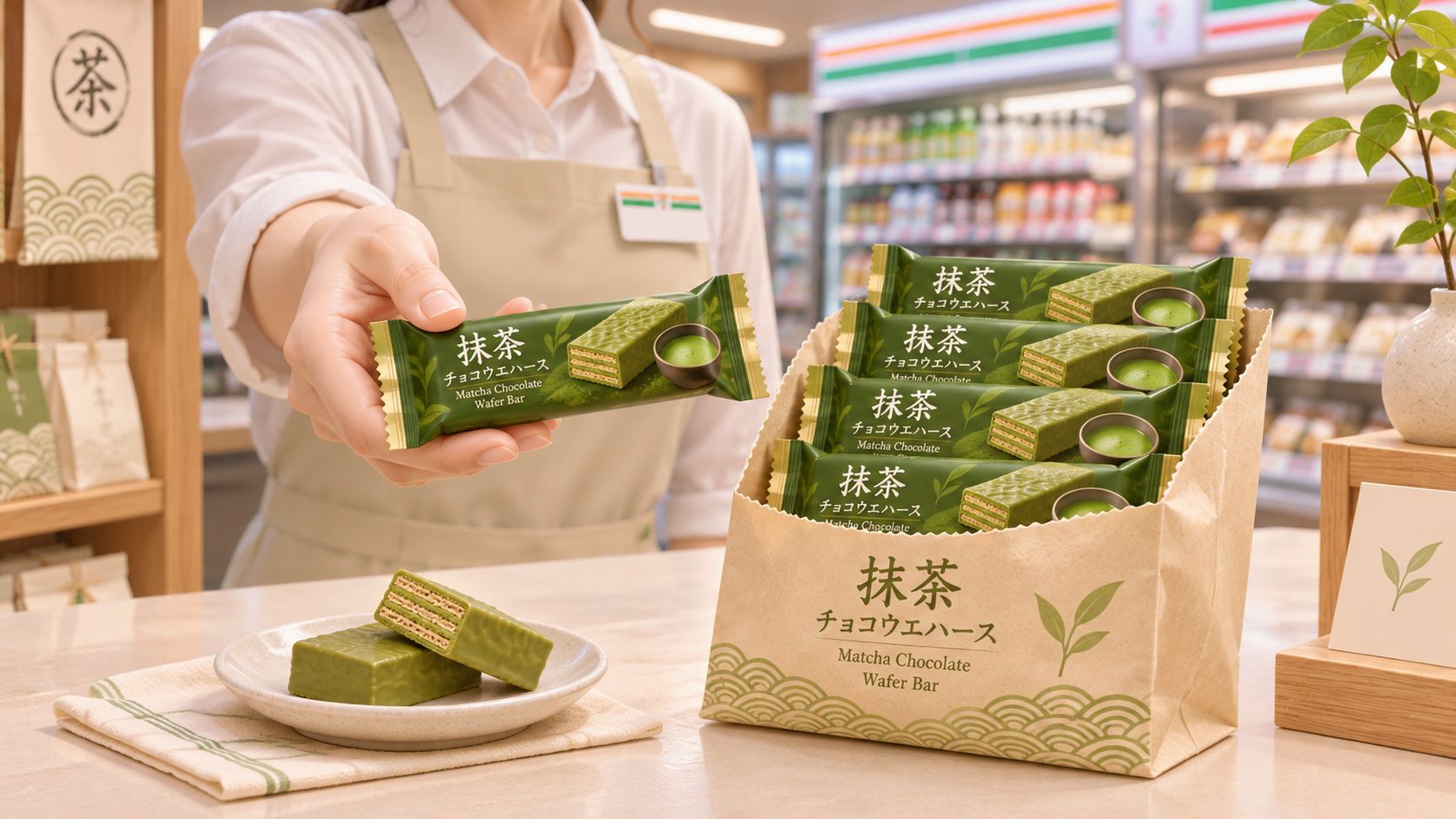
In a cup, there's little to hide the tea's vegetal aroma or drying finish. In a Matcha Kit Kat, the powder sits in a fat-rich, sweet coating. Sugar, lactose, milk powder, and cocoa butter soften the impression of bitterness and create a creamier mouthfeel.
That explains why someone can dislike straight matcha but enjoy a matcha sweet. They're tasting the same broad ingredient category in a very different setting. A milk-style version may bring sweetness and creaminess forward, leaving the tea as a gentle grassy finish.
A stronger version changes that balance. When the tea is more prominent and the sweetness less noticeable, the vegetal character becomes easier to recognise. Astringency is the slightly drying feeling left in the mouth, which isn't quite the same thing as bitter taste.
Practical rule: Choose by the recipient's usual drink order. A sweet latte drinker and an unsweetened green-tea drinker may enjoy quite different matcha bars.
Read intensity as a taste preference
These comparisons help when the recipient hasn't named a favourite edition:
- Creamy and mild: A sensible starting point for someone who likes milk chocolate, sweet biscuits, or milky tea drinks.
- Tea-forward and aromatic: Worth considering for someone who enjoys noticing tea flavours alongside sweetness.
- Strong and drying: Better reserved for a recipient who already likes unsweetened green tea and doesn't expect a very sweet finish.
Texture also affects the experience. A crisp wafer and a firm coating create a clear contrast; warmth can soften the coating and make the snack feel less distinct. A disappointing texture doesn't necessarily mean the matcha flavour itself was the wrong choice.
If you're comparing it with Japanese biscuit snacks, think about both parts of the bite: the wafer's crunch and the coating's balance of tea, sweetness, and creaminess.
Finally, contains matcha is an ingredient description, not a wellness promise. The quantity of tea in a confectionery serving isn't interchangeable with a serving of pure matcha powder. Choose this gift for flavour and enjoyment, not for an assumed amount of tea compounds or a supposed health benefit.
Matcha Kit Kat in Japanese Snack Culture
A shopper choosing a Japanese souvenir may recognise the Kit Kat shape immediately while finding the flavour unexpectedly specific. That combination is central to its appeal: the format is familiar, but the tea reference gives the gift a connection to place.
Nestlé Japan's 2004 Uji Matcha Kit Kat launch used technology that allowed matcha powder to be incorporated directly into chocolate, overcoming an earlier manufacturing challenge, according to Daily Brewer's account of the flavour's development. The same account records more than 10 matcha-related products by 2017, showing that matcha developed into an ongoing product family rather than remaining a single experiment.
From regional flavour to repeated reinvention
Japan's broader flavour-expansion era began around the turn of the millennium, with regional and limited editions becoming part of the brand's approach. Matcha fitted that approach because it could carry a recognisable Japanese ingredient identity while still working within an accessible snack.
The Uji connection matters here. Instead of presenting green tea as an anonymous flavour, regional wording gives the recipient something specific to notice and discuss. A gift can become a small introduction to Japanese tea culture without requiring the recipient to know how to prepare tea.
The matcha family has included Uji Matcha, Luxury Uji Matcha, Matcha Tiramisu, Sakura Matcha, Matcha Milk, Strong Matcha, Matcha and Kinako, and Matcha Azuki. These names reveal different directions: regional identity, richer positioning, dessert inspiration, and seasonal flavour combinations.
They shouldn't be read as a permanent shopping list. A historical edition establishes that a formulation existed, not that it's currently available in every market.
The encouragement belongs to the name
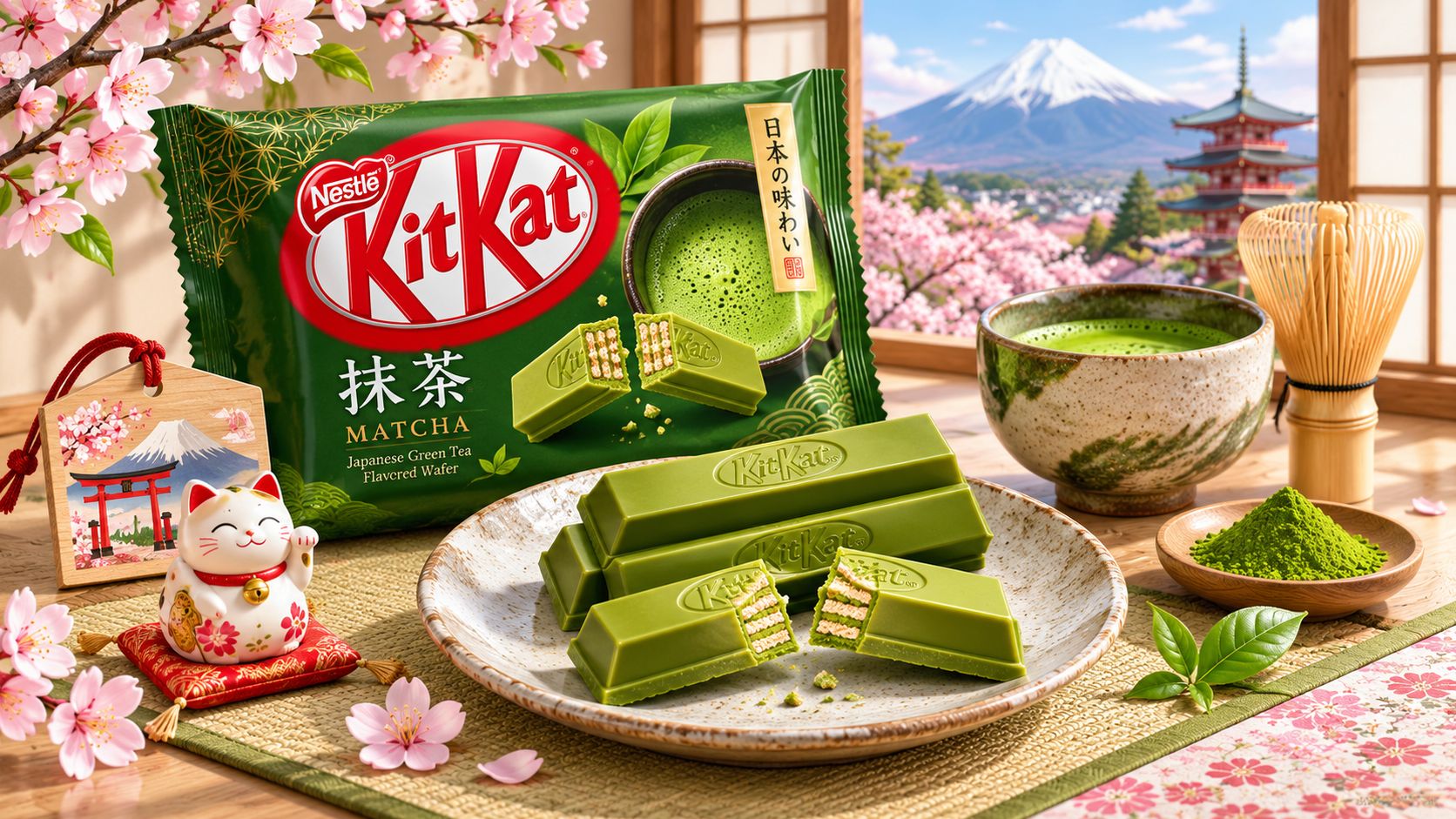
The gift meaning comes from something separate from tea. As CNN's account of Japanese Kit Kats explains, the name resembles “kitto katsu,” commonly understood as “you will surely win,” which helped make the snack a good-luck gift, particularly for students preparing for examinations.
That distinction keeps the explanation accurate. Matcha isn't the source of the encouragement symbolism. A matcha version combines the name's supportive association with a flavour that many international shoppers connect with Japan.
The tea explains the flavour. The wordplay explains the encouragement.
Say a friend is preparing for an important examination. A small pack with a personal note can communicate support without becoming a grand or burdensome present. For a new job or another challenge, you can draw on the same encouraging idea while making the message personal to the recipient.
Sharing makes the gesture practical
Japanese Kit Kats are commonly offered as individually wrapped pieces. When the selected pack uses that format, classmates, colleagues, family members, or guests can each take a sealed portion.
That convenience helps a modest snack function as a group gift. It also lets the giver share an unfamiliar flavour without asking everyone to commit to a full-sized bar.
For broader context, the principles behind Japanese gift-giving are useful: consider the relationship, occasion, and recipient rather than treating cultural meaning as a rigid rule. The most thoughtful explanation is usually brief, accurate, and paired with a sincere message.
Choosing a Matcha Kit Kat as a Gift
Choose the recipient's taste before choosing the occasion. A tea enthusiast may appreciate intensity, while a curious newcomer may prefer a creamy introduction. Neither choice is more authentic because it tastes more bitter.
The scale of the range makes exact naming important. Japan Pocket Guide's overview of Japanese Kit Kats describes more than 400 varieties across the Japan-specific range, including regional, seasonal, and limited editions, so similar-looking packs shouldn't be treated as interchangeable.
Start with interest, then check the pack
For a newcomer, look for a mild standard or milk-style description. For a tea drinker, consider Uji or a strong matcha edition, while remembering that regional identity and intensity aren't identical. A dessert lover may enjoy tiramisu, azuki, kinako, or sakura combinations if the named edition is currently available.
Before buying, read the exact product name, origin wording, piece count, and edition type. Check the current listing rather than relying on an old photograph or a remembered flavour name.
Which matcha Kit Kat fits the occasion
| Occasion | Style that usually fits | Check before buying |
|---|---|---|
| Exam, new job, or encouragement | Mild or Uji matcha in individually wrapped pieces | That the pack can be shared and your own note explains kitto katsu |
| Thank-you or host gift | Multi-piece standard matcha | Piece count and wheat, milk, and soy allergens |
| Traveler or Japan-themed souvenir | Uji or another region-named matcha | Exact name and origin, not only a green wrapper |
| Care package for mixed tastes | Matcha milk or standard matcha | Sweetness level and heat risk in transit |
| Gift for a green-tea enthusiast | Strong or dark matcha | That the recipient likes low sweetness and astringency |
These are selection ideas, not promises about what a particular pack contains. For a host gift, for example, a shareable pack works because guests can sample the flavour together; keep the maker's packaging and confirm whether any outer gift box is included.
For encouragement, supply your own message if a card isn't listed. Don't assume a ribbon, presentation box, or wrapping service comes with the snack.
When a broader assortment makes sense
A familiar wafer can make a wider Japanese tasting gift feel approachable. It gives the recipient a recognisable starting point before they explore less familiar crackers, sweets, or drinks. The useful comparison is between a focused tea gift and a varied tasting experience, not between large and small boxes.
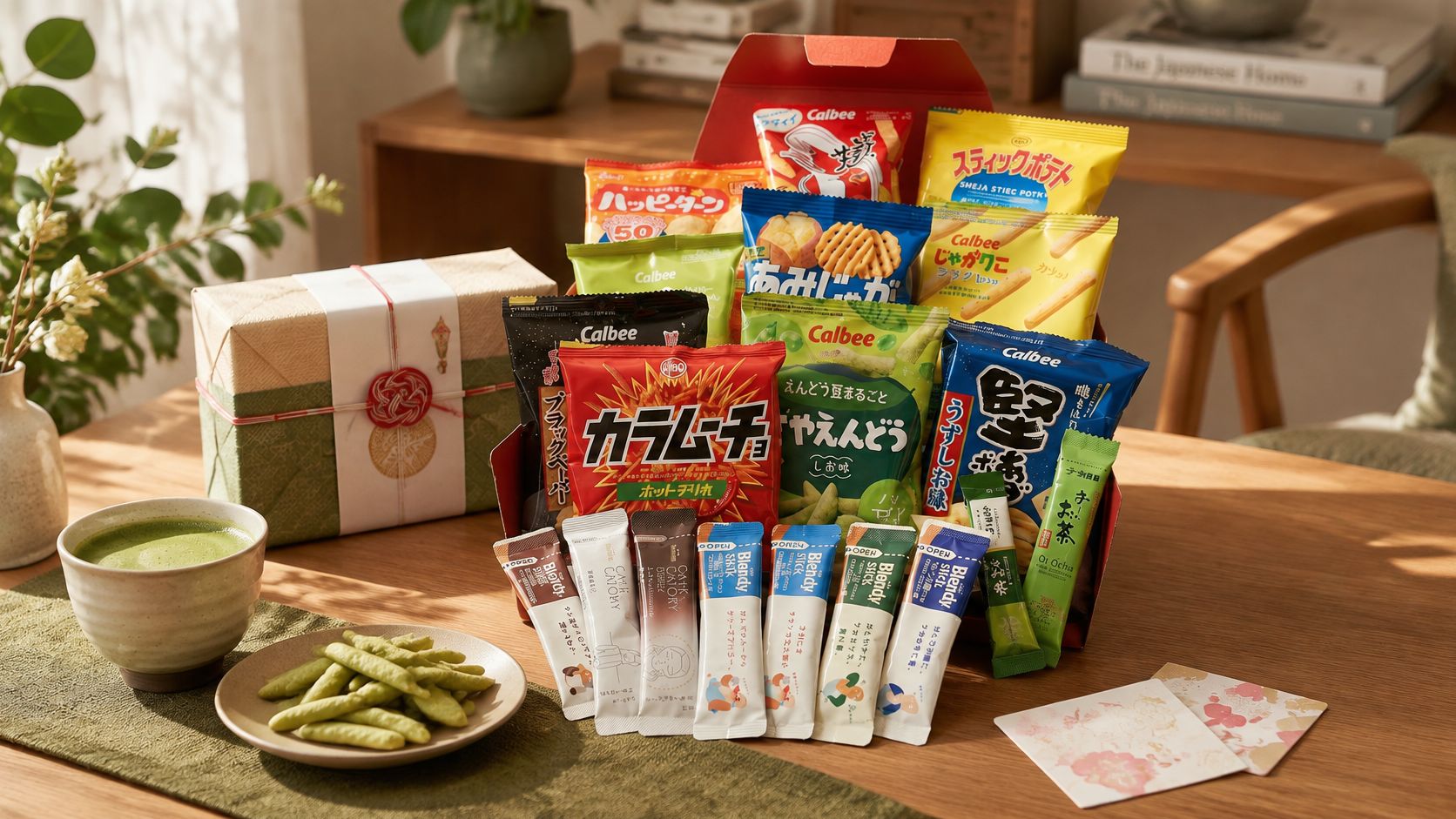
For that broader format, Essential Japanese Snacks 13 Items (8 Snacks + 5 Coffee/Tea) is described as a selection of traditional crackers and modern treats paired with Japanese coffee and tea, with decorative paper cup coasters. It may suit a curious host, a thank-you recipient, or someone who enjoys a tasting break, because the snacks and drinks create a shared theme.
Specific contents may change with seasonal availability and stock, and promotional images don't guarantee the exact assortment. Don't assume Matcha Kit Kat is included. Confirm the current contents and availability before choosing it.
Use the guide to Japanese snack gift boxes to compare assortment styles. Before ordering any chocolate-based gift, also check the delivery information for temperature handling rather than assuming it will travel well through heat.
Allergens Storage and Label Limits
The wrapper is part of the gift's safety information. Keep it intact and accessible, even if you add an outer presentation bag or arrange several snacks together.
A Japan-made Uji matcha variant's product specification lists wheat, milk, and soy as allergens. Those are important warnings, but they aren't a complete declaration for every matcha edition. The recipient needs the current label for the exact product in hand.
Keep the full ingredient information
Japanese food products may contain common allergens such as wheat, soy, milk, eggs, peanuts, tree nuts, fish, shellfish, or sesame. This wider list doesn't mean every Matcha Kit Kat contains all of them. It means a Japanese snack assortment needs item-by-item checking.
Don't describe the bar as allergen-free, vegan, vegetarian, halal, kosher, or gluten-free unless the current product information explicitly confirms the relevant claim. A green-tea ingredient doesn't establish dietary suitability.
- Retain the maker's wrapper: Don't decant unlabelled pieces into a decorative container.
- Show the complete declaration: Share the full ingredient and allergen information, not only a translated flavour name.
- Read the pack on arrival: Formulations can change, and the item received matters more than an older online description.
- Resolve serious allergy questions before ordering: At Gift Me Japan, we ask customers with a serious allergy to contact us before placing an order.
Label first: A general article can help you choose a flavour, but it can't clear a particular snack for someone with a serious allergy.
Protect the coating and wafer
Matcha sits within a fat-rich coating, so warmth can soften the exterior and damage the contrast between coating and crisp wafer. Keep the pack sealed, away from heat and direct sunlight, and follow the manufacturer's storage instructions.
Don't unwrap the pieces early for display. Sealed packaging protects the snack and preserves the information the recipient needs. If delivery conditions aren't clear, ask about them before choosing a heat-sensitive food gift.
Respect destination-country differences
Products manufactured for the Japanese market are sold in accordance with applicable Japanese standards. Formulations, permitted ingredients, usage instructions, and labelling requirements may differ between Japan and your country. For international gifting, check the destination's applicable food and labelling requirements rather than assuming a Japanese domestic label covers every local requirement.
If a date or code is unclear, contact our team with the product name and batch information. Don't guess whether an unfamiliar code is a best-before date.
When considering Japanese snacks to give as gifts, treat label clarity and storage as selection criteria, not afterthoughts. And describe Matcha Kit Kat as confectionery, never as a health supplement merely because it contains green tea.
Give a Matcha Kit Kat with Confidence
A thoughtful choice doesn't require finding the rarest edition. It requires choosing a flavour the recipient will enjoy, understanding what the package contains, and presenting it with enough context to make the gesture meaningful.
Keep these distinctions in mind:
- The product: A crisp wafer whose coating carries real matcha powder.
- The flavour: Mild and milk-style versions are approachable; Uji and strong editions offer different reasons for a tea enthusiast to take interest.
- The meaning: Kitto katsu adds an encouragement association that belongs to the name, not to matcha itself.
- The safety check: Wheat, milk, and soy make the current wrapper essential reading.
Choose a named pack, not just a colour
If you're buying for someone who loves sweet, milky drinks, don't select the strongest edition because it sounds more special. If they enjoy unsweetened tea, a clearly described tea-forward version may feel more personal than an assortment chosen only for its appearance.
Match the pack to the occasion, preserve the original wrapping, and keep any message sincere. A short explanation of the flavour or the encouragement wordplay is enough. There's no need to add wellness claims or promise a cultural significance the product doesn't have.
For a varied gift, browse the current snack and gift-set selection with the same care: read the contents, confirm the variants, and check whether the photograph is illustrative. A meaningful Japanese gift can be simple, provided its details suit the person receiving it.
If the recipient has a serious allergy, contact us before ordering. That conversation is more useful than relying on a general description, however familiar the snack may look.
Gift Me Japan offers carefully curated gifts sourced directly from Japan, bringing traditional and modern Japanese items together across snacks, beauty, skincare, and lifestyle goods. If a Matcha Kit Kat or a similar Japanese sweet suits your recipient, visit Gift Me Japan to explore the current selection and choose a gift whose listed contents match their tastes and the occasion.
Share:
Nori Tama Furikake: Flavor, Origin and Ways to Serve