

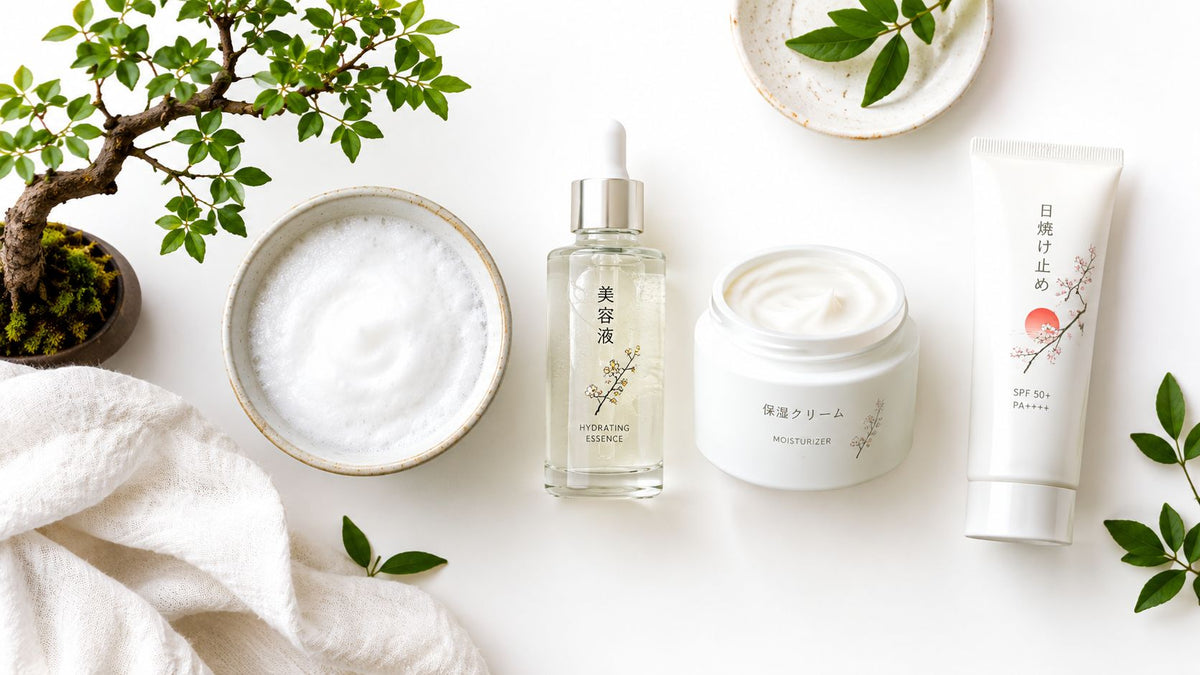
Most advice about a Japanese skincare routine for beginners starts with a shopping list. That's the wrong place to begin. You don't need a bathroom shelf crowded with bottles, and you don't need to copy every elaborate routine shared online. Japanese skincare makes more sense as a method: cleanse gently, add hydration in light layers, seal in comfort, and protect your skin from UV exposure.
That approach also makes J-beauty easier to give as a thoughtful present. A carefully chosen cleanser, hydrating lotion, moisturizer, and sunscreen can introduce someone to a daily ritual without turning skincare into homework. The same principle applies whether you're choosing products for yourself or exploring Gift Me Japan's Japanese gift selections.
Rethinking the Multi-Step Skincare Myth
The popular image of Japanese skincare is a long row of products, each promising a different benefit. In practice, the philosophy is more restrained. Japanese skincare has developed around thorough cleansing, layered hydration, and consistent protection, not around using the largest possible number of formulas.
Japan's skincare market was valued at USD 8.8 billion in 2026 and is projected to reach USD 11.29 billion by 2031, at a 4.24% CAGR, according to Ken Research's Japan skincare market overview. That market is organized around familiar categories such as facial care, cleansing, sun care, masks, exfoliants, body moisturizers, and men's skincare. For a beginner, the useful lesson isn't the size of the market. It's that a simple cleanser, moisturizer, and sunscreen sit within an established everyday routine rather than an obscure beauty trend.
Consistency comes before complexity
A beginner-friendly routine should be easy to repeat. If a product irritates your skin, feels unpleasant, or makes the process too time-consuming, adding more steps won't solve the problem. Start with a small foundation, then adjust only when you understand what your skin needs.
Cleansing-first habits have a long history in modern Japanese skincare. In 1967, Shu Uemura introduced High Performance Balancing Cleansing Oil, a milestone often associated with the wider popularity of cleansing oil as the first step in a Japanese routine. Survey-based reporting also states that 80% of Japanese women use facial lotion daily, while Japanese consumers use an average of 5 to 6 skincare products in their nighttime routine, as described in this history of Japanese cleansing oil and Japanese skincare habits. Those figures show that layering exists, but they don't mean every beginner needs to adopt a full nighttime routine immediately.
Practical rule: Build the habit first. Add a product only when it has a clear purpose in your routine.
A thoughtful ritual can even influence how you present a skincare gift. Rather than filling a package with unrelated items, consider a small group that follows a natural sequence, then present it with care using ideas from this guide to furoshiki wrapping. The experience should feel calm and intentional, not like a test the recipient has to pass.
The Core Layering Logic and Product Order
The easiest way to understand Japanese skincare order is to forget the product count and focus on texture. Apply watery, lightweight products before creamy or richer ones. This allows each layer to sit comfortably and prevents a heavy product from blocking a thinner formula from spreading evenly.
The basic structure is:
- Cleanser: Remove surface impurities without leaving skin tight or uncomfortable.
- Hydrating lotion: Add the first light layer of moisture.
- Serum or essence: Include this only if you have a specific reason for using it.
- Moisturizer or emulsion: Keep hydration comfortable by adding a sealing layer.
- Sunscreen: Finish the morning routine with UV protection.

Why Japanese lotion can feel unfamiliar
In Japan, lotion generally means a lightweight hydrating liquid, not a strongly astringent product designed to remove leftover residue. It's applied after cleansing and before serum, emulsion, or cream. The role is preparation and hydration, so the skin feels more comfortable before richer layers follow.
A simple example makes the order clearer. Imagine a watery lotion, a fluid serum, and a cream. The lotion spreads first, the serum follows, and the cream goes last because its texture is denser. If you apply the cream first, the watery steps may sit on top rather than distribute as naturally.
The same structure appears in this guide to the best Japanese skincare products, where product categories can be understood by their function and texture rather than by a fixed number of steps.
Keep the first routine deliberately small
Begin with a gentle cleanser, hydrating lotion, moisturizer, and sunscreen. A serum, essence, mask, or specialized treatment can wait until you know how your basic routine feels. This approach also makes it easier to identify the source of irritation if your skin reacts.
Don't pile several active products into the same routine just because each one sounds useful. More layers can mean more fragrance, more potential irritants, and more confusion about what your skin is responding to. Japanese skincare works best here as a flexible framework, not a competition to complete every possible step.
Adapting Your Ritual for Morning and Evening
Morning and evening skincare have different jobs. Morning care prepares and protects your skin for the day, while evening care focuses on removing products and buildup before applying hydration. Keeping those purposes separate prevents the routine from becoming repetitive or unnecessarily harsh.
Morning is about refreshment and protection
Many beginners can keep the morning routine brief:
- Refresh gently: Use a water rinse or a mild cleanser, depending on how your skin feels.
- Hydrate lightly: Apply lotion if your skin benefits from it.
- Moisturize selectively: Use an emulsion, gel, or cream when you need another comfort layer.
- Protect consistently: Finish with sunscreen.
Sunscreen is a vital morning step in this routine. It shouldn't be treated as an optional extra reserved for sunny holidays. Choose a formula you can apply comfortably and reapply as appropriate for your surroundings and daily exposure.
Evening has a stronger cleansing role
Double cleansing belongs mainly in the evening when you're removing makeup or water-resistant sunscreen. An oil-based cleanser helps dissolve oil-based products, followed by a gentle water-based cleanser to remove remaining residue. You don't need to double cleanse automatically every time, especially if you haven't worn makeup or resistant sunscreen.
The Cleveland Clinic's guidance on skincare product order notes that cleansing twice a day is generally sufficient for most skin types and that over-cleansing can stress the skin barrier, particularly for dry or sensitive skin. That supports a practical distinction: one gentle cleanse in the morning, or just a water rinse, and a more thorough evening cleanse when the day's products require it.
Evening check: If you wore makeup or water-resistant sunscreen, consider an oil-based first cleanse. If you didn't, avoid adding a second cleanse just because it appears in a longer routine.
After cleansing, return to the texture order: lotion, optional serum or essence, then moisturizer. Pat or press products gently rather than rubbing aggressively. The evening ritual should leave your skin clean and comfortable, not squeaky or tight.
Choosing Textures and Ingredients for Your Skin
The correct order won't make an unsuitable texture feel right. Your skin type, climate, and personal comfort all influence whether a lotion or moisturizer becomes a product you'll use consistently.
Humid weather can make rich layers feel uncomfortable, while cold or dry conditions may leave lightweight products insufficient on their own. Oily skin may prefer fluid hydration and a gel moisturizer, while dry skin may welcome an emulsion followed by a cream. Combination skin can use different amounts in different areas rather than applying the same quantity everywhere.
Texture Guide by Skin Type
| Skin Type / Climate | Ideal Lotion Texture | Ideal Moisturizer Format |
|---|---|---|
| Oily skin or humid climate | Lightweight, watery lotion | Gel or light emulsion |
| Combination skin | Fluid lotion applied selectively | Emulsion on oilier areas, cream where needed |
| Dry skin or cold climate | More cushioning hydrating lotion | Richer cream or layered emulsion and cream |
| Sensitive-feeling skin | Simple, gentle lotion | Minimal, comfortable cream or emulsion |
These are starting points, not strict rules. A person with oily skin may still need richer care during a cold season, and someone with dry skin may prefer a lighter finish in humid weather.
Choose a calm foundation
Recent J-beauty guidance increasingly emphasizes skin-barrier support and hydration before aggressive exfoliation. That makes sense for beginners. If your skin feels uncomfortable, adding stronger actives can make the routine harder to manage. Begin with gentle cleansing, hydration, moisturization, and sunscreen, then introduce targeted products cautiously if you have a clear purpose.
Patch testing is a sensible precaution when trying a new cosmetic product, especially if your skin is reactive or you're introducing several unfamiliar formulas. Stop using a product if it causes persistent discomfort, and seek professional advice for ongoing or severe skin concerns.
The video below offers another visual way to think about the relationship between skincare layers and texture.
For product selection ideas that take recipient preferences and routine simplicity into account, explore this beginner's guide to Japanese skincare gifts. A gift should suit the person's habits, not force them into a complicated system.
Gifting the Perfect Skincare Experience
Skincare can be a meaningful gift because it turns ordinary moments into a small daily ritual. The challenge is choosing products that work together without guessing at the recipient's skin type, preferences, or tolerance for multiple steps.
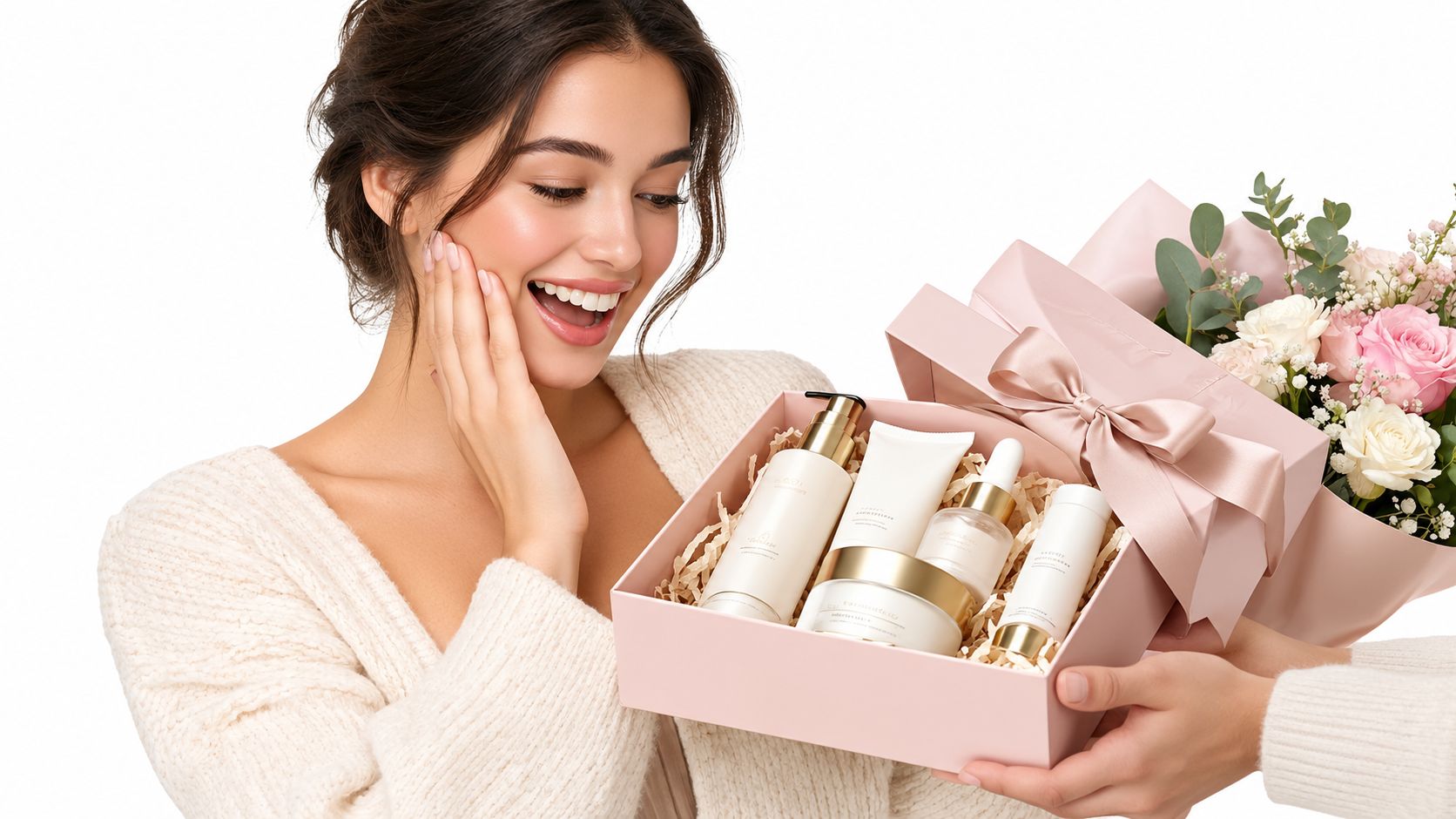
A cohesive set gives the recipient a clear starting point. The Essential Japanese Skincare Gift Set, for example, lets the shopper choose a cleanser, lotion, and face cream to create a personalised skincare gift box. Its stated arrangement is designed around cleansing, hydration, and nourishment, with each item packed individually before being placed in a premium traditional-style gift box. Confirm the current product listing for available choices and packaging details before ordering, since product information can change.
Match the set to the recipient
A beginner skincare set may suit someone who:
- Enjoys structured self-care: The sequence offers a simple morning or evening ritual.
- Is curious about Japanese beauty: The categories introduce the logic of cleanse, hydrate, and moisturize.
- Prefers useful gifts: The products have an everyday role rather than being decorative extras.
- Is marking a personal milestone: A new routine can accompany a birthday, holiday, celebration, or self-care occasion.
The set can also work for an international shopper who wants a Japanese gift with a clear cultural connection but doesn't know enough about individual formulas to build a collection from scratch. The recipient's skin preferences still matter, so it's wise to check whether they already use specific products, avoid certain ingredients, or prefer fragrance-free cosmetics before choosing.
Why a coordinated set feels more thoughtful
A random selection may contain attractive products but leave the recipient unsure how to use them. A cleanser, lotion, and cream make sense together because they follow the routine's basic texture progression. The set also creates a more coherent unboxing experience than several unrelated items.
For seasonal gifting, this Japanese skincare gift set guide for Christmas can help you think about presentation and recipient fit. Don't assume that gift wrapping, a message card, or additional accessories are included unless the current listing says so. Delivery timing, availability, price, and packaging can change, so verify those details when you're ready to purchase.
Gift Me Japan focuses on curated Japanese gift sets that combine beauty, skincare, lifestyle products, and Japanese snacks sourced directly from Japan. For a skincare-focused present, choose a set based on the recipient's routine needs and interests, then explain the simple order on a note if you're giving it in person.
Starting Your Mindful Beauty Journey
A beginner's routine might begin with a water rinse in the morning, a hydrating lotion, a comfortable moisturizer, and sunscreen. In the evening, the same person might use an oil-based cleanser only when makeup or water-resistant sunscreen needs removing, then follow with a gentle cleanser and a few light hydration layers. Nothing about that routine requires a crowded shelf.
The most useful habits are small:
- Listen to comfort: Tightness, stinging, or persistent irritation means the routine needs reconsideration.
- Change with the climate: Move toward lighter textures in humid conditions and richer layers when skin feels dry in colder weather.
- Add slowly: Introduce one new product at a time so you can understand how it fits.
- Protect in the morning: Sunscreen remains the essential final step.
Japanese gifting carries a similar spirit of thoughtfulness. The value of a present doesn't come from adding more items. It comes from choosing something that reflects the recipient's interests and gives them an enjoyable way to use it. This guide to Japanese gift-giving offers useful cultural context for selecting a present with care.
A simple Japanese skincare routine for beginners is built on gentle cleansing, texture-aware layering, hydration, moisturization, and morning UV protection. Start with products that feel manageable, adjust them as your skin and surroundings change, and let consistency do more work than complexity.
Gift Me Japan offers curated Japanese gift sets across skincare, beauty, lifestyle products, and Japanese snacks, with selections designed for different recipients and occasions. Explore Gift Me Japan to find a coordinated skincare set that turns a simple daily routine into a thoughtful Japanese gifting experience.
Share:
Best Japanese Skincare Products: A Practical Guide