

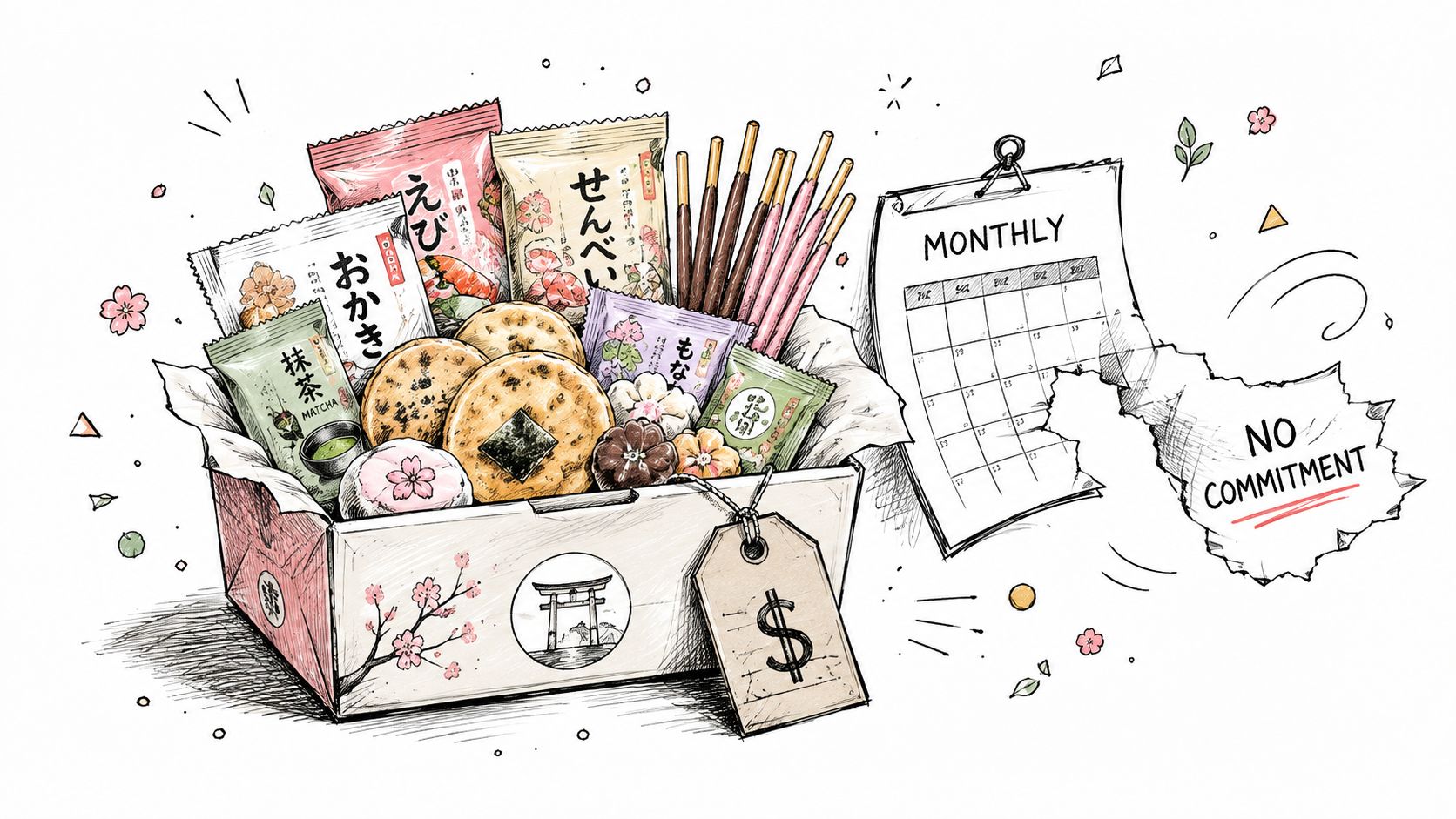
You're trying to send a Japanese snack box overseas, and the checkout page turns it into another monthly bill. That's the moment you realize you don't want a subscription, you want a Japanese snack box no subscription option that ships once, looks giftable, and doesn't keep charging your card.
A one-off box makes more sense than most guides admit. It avoids renewal risk, fits a birthday or thank-you gift, and lets you buy based on the recipient, not a billing cycle. The catch is simple, you still need to compare landed cost, freshness, shipping, and allergy risk before you click pay.
Table of Contents
- The Moment You Realize You Do Not Want Another Monthly Bill
- Subscription Versus One-Off Boxes Compared
- Four Realistic Ways to Get a One-Off Japanese Snack Box
- Contents of a One-Off Snack Box
- Shipping and Customs for International One-Off Orders
- Hidden Trade-Offs of the No-Subscription Route
- Choosing the Right One-Off Option and Common Questions
The Moment You Realize You Do Not Want Another Monthly Bill
You start with a simple gift idea. A friend abroad loves Japanese snacks, so you open a retailer's site, add a box, and keep moving until the checkout summary shows a recurring plan you never meant to buy. That's not a small annoyance, it's the exact point where a one-off purchase becomes the smarter move.
What a no-subscription box actually is
A no-subscription Japanese snack box is just a curated assortment sold as a single transaction. No auto-renewal. No second delivery unless you come back and buy again. No awkward cancellation window after the first shipment lands.
That matters because the category is already leaning toward one-time gifting behavior. Grips Intelligence estimated Japanese snack subscription services at $19 million in 2025, with tracked retailer revenue falling 47% from November to April and projected to decline another 20-50% in 2026; the same dataset reported 1.13 million sessions in April 2026 and a 1.0-1.5% conversion rate (Grips Intelligence). The numbers don't make subscriptions disappear, but they do explain why buyers keep looking for single-purchase alternatives.
Practical rule: If you're sending a gift, recurring billing should be an exception, not the default.
Who this is for
This guide fits three kinds of buyers. First, gift senders who want one present, not a standing order. Second, corporate or team buyers who need boxes for a fixed occasion and nothing after that. Third, curious snackers who want to try a brand without signing up for a month they may not use.
The market supports that behavior. The Japanese snack box market is estimated at USD 3,500 million in 2025 and projected to reach more than USD 8,500 million by 2033 at 12.5% CAGR; the main technical drivers cited are hyper-personalization, sustainable packaging and sourcing, and themed limited-edition boxes (DataInsightsMarket). In plain English, one-time gifting has room to grow because buyers still want curated experiences, just without the billing trap.
Subscription Versus One-Off Boxes Compared
The subscription model looks cheaper on the product page because the monthly number is familiar and easy to compare. That's not the same thing as being cheaper in real life. Once you factor in cancellation friction, shipping, and the pressure to keep a plan active, the economics stop looking so tidy.
The core difference is commitment
Subscriptions lock you into recurring delivery unless you remember to pause or cancel. A one-off box ends at checkout. That sounds obvious, but it changes everything for gift buyers, because the question is not just what arrives in the first box, it's whether the sender has to manage a billing relationship afterward.
The pricing gap can also be misleading. A 2026 comparison of major snack-box offerings found monthly prices clustering around $32.50-$39.99, with boxes typically containing 15-22 snacks plus extras such as tea, a booklet, or a small home good, which puts the implied cost near $1.60-$2.50 per snack before shipping or longer-plan discounts (Oishii Journal). That range sounds efficient until shipping is added or a longer plan gets folded into the total.
When one-off wins, and when it doesn't
One-off boxes win on flexibility. They're better for birthdays, thank-you gifts, client gifts, and any situation where you want a single clean transaction. Subscriptions win when the recipient wants repeat discovery and you're happy to keep paying for it.
Bottom line: A cancelled-after-one-shipment subscription is still a workaround. A true one-off box is cleaner, easier to budget, and less likely to become an unwanted obligation.
| Factor | Subscription Box | One-Off No-Subscription Box |
|---|---|---|
| Commitment | Ongoing until cancelled | Ends after one purchase |
| Billing risk | Higher, because renewal can happen | Lower, because there's no renewal |
| Best use | Repeat snacking or long-term gifting | Single gifts and trial purchases |
| Price feel | Lower monthly sticker price | Higher upfront, but cleaner total control |
| Variety planning | Built around recurring themes | Built around a single occasion |
For a practical store example, see Gift Me Japan's product and gifting overview, which organizes gifts by recipient and occasion instead of by subscription cycle. That's the right mindset for this purchase.
Four Realistic Ways to Get a One-Off Japanese Snack Box
You want one clean purchase, not a subscription that keeps charging your card. That is the core question behind a japanese snack box no subscription search, and the answer depends on whether you are buying for yourself, sending a gift, or trying to control landed cost before checkout. The cheapest route on paper is often the worst one once shipping, customs, or cancellation hassle shows up.
1. Buy a direct gift set
This is the cleanest option. You buy a curated gift box from a retailer that already sells single sets, and the order ends there. It fits birthdays, thank-you gifts, and any situation where you want the box to arrive looking finished.
A solid example is Essential Japanese Snacks 13 Items (8 Snacks + 5 Coffee/Tea), which is described as a curated collection of 13 Japanese essentials with 8 authentic Japanese snacks, 5 premium Japanese coffee and tea selections, and 2 decorative paper cup coasters. That format is built for gifting, not for keeping you inside a billing loop. It also gives you a better freshness read than a box that was assembled around repeat shipments, because the whole purchase is meant to ship once and be enjoyed once.
2. Buy from an international retailer with predictable shipping
This path makes sense when cost control matters more than brand loyalty. If the store shows shipping clearly, you can work out the landed cost before checkout instead of finding out later that a low sticker price was misleading. That matters for overseas gifts, because a one-time box should stay a one-time expense.
It also helps with dietary safety. A retailer that lists ingredients, allergens, and product format clearly gives you a better shot at avoiding surprises for the recipient. If you are buying for someone with restrictions, skip the vague listings and choose the store that explains what is inside.
3. Use a subscription site, then cancel after the first box
This is the tactical workaround, and it only makes sense when the exact contents matter more than the billing setup. Some shoppers use it to grab a specific themed box, then cancel before the next charge hits. That can work, but it is still a subscription first.
Treat this option as a fallback, not a habit. Read the cancellation policy before you place the order, because missed cutoffs are how one-off intentions turn into recurring billing traps. If the site makes cancellation awkward, walk away and buy a true single box instead.
4. Use a marketplace or aggregator
This route suits shoppers who want more theme variety and do not mind screening listings carefully. It can uncover good one-off boxes, but the seller quality is uneven, and that puts more work on you. If you are sending a gift, that inconsistency is a bad trade unless you already trust the marketplace.
It is also the path where you need to watch freshness and labeling the most closely. Marketplace listings can look polished while hiding weak product details, so check what is included before you commit. For a related example of how retailers organize single-purchase gifts around occasion and recipient, see Gift Me Japan's gifting and product overview.
Use this rule. Direct gift set first, predictable retailer second, cancel-after-one only when the cancellation terms are clear, marketplace last.
Contents of a One-Off Snack Box
The fear is that a one-off box will feel thin, generic, or like leftovers from a subscription funnel. Better curated boxes do the opposite. They are built to feel complete the moment you open them, with a clear mix of items, clean presentation, and a few small extras that make the gift feel intentional.

The mix usually does the heavy lifting
A thoughtful one-off box usually balances savory and sweet items, then adds something drinkable or display-friendly so the gift feels like a set instead of a random snack pile. The catalog snapshot for KAKITANE KITCHEN Assorted Japanese Rice Crackers (12 bags) shows the pattern clearly, with three signature flavors, individually wrapped freshness, and a format built for sharing or portion control. That structure matters because it makes the box feel deliberate, not thrown together.
The same approach shows up in the Essential Japanese Snacks set, which pairs snacks with tea and coffee plus coasters. Those details do real work. They turn a snack purchase into a gift someone can open without needing a long explanation for each item.
One-off boxes often trade depth for clarity
A subscription can spread its personality across several shipments. A one-off box has one chance to make its point, so it usually aims for broader appeal and easier gift-readiness instead. You may get less niche curation, but you get a cleaner unboxing experience.
Gift rule: If the recipient will not recognize the brand, the box needs to look intentional before they taste a single item.
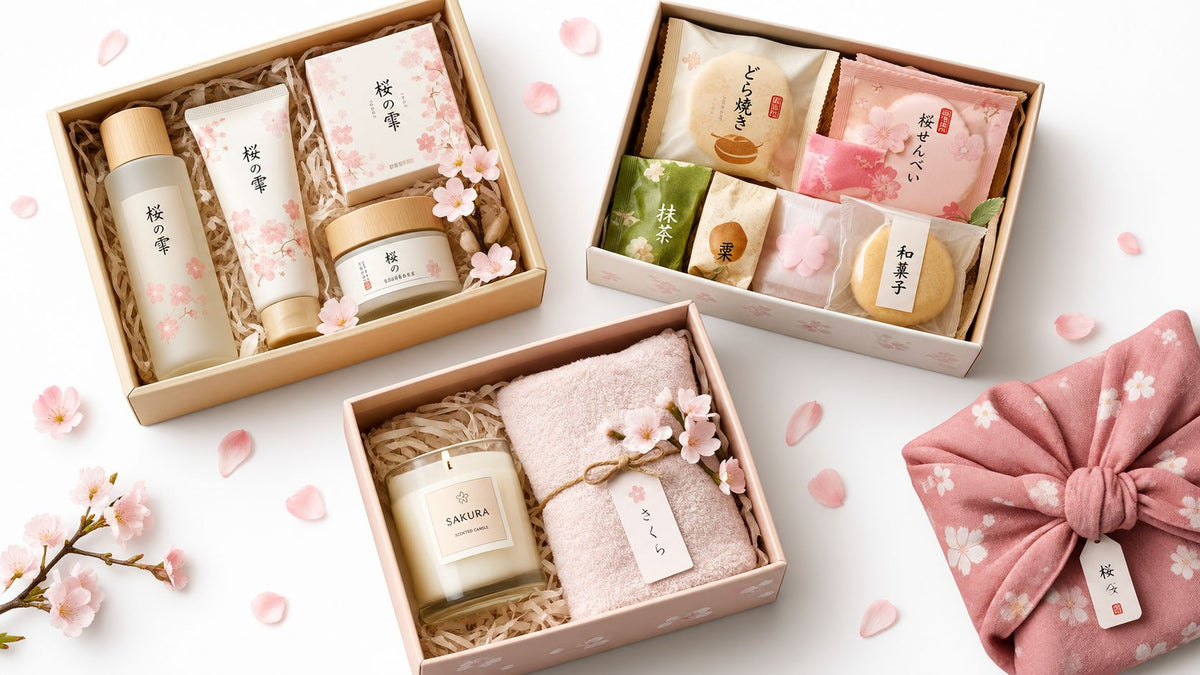
For more context on how curated Japanese gifts are presented, see beginner guide to Japanese skincare gifts. The same packaging logic applies here, even though the category is snacks instead of skincare.
Shipping and Customs for International One-Off Orders
Shipping is where a good idea becomes either smart or stupid. A one-off snack box only works if the delivered cost still makes sense, and that means you need to look at the shipping line before you compare box prices.
Flat shipping changes the math
Gift Me Japan states flat international shipping options of US$15 / €10 in its store summary, which is the kind of predictability buyers should want for one-off gifts. A flat fee is easier to budget than a moving shipping estimate, especially if you're sending to a different country and don't want the final total to jump at checkout.
That predictability matters more than you might think. Subscription services can hide shipping inside a recurring fee, but a one-off order exposes it immediately. If you're comparing a cancelled-after-one-shipment subscription against a direct gift box, the shipping line often decides the winner.
Customs can still interrupt the tidy plan
International delivery can trigger customs duties or import rules depending on the destination. That's not exciting, but it's the nature of cross-border gifting. If timing matters, check whether the seller gives tracking and whether the destination country has extra import steps that could slow the package down.
The safe move is simple. Budget the snack box, add the shipping fee, then assume customs is a possibility if the destination country is strict. If the total still feels acceptable, proceed. If not, choose a domestic or regionally simpler option.
Do this before checkout: verify the delivery destination, check for tracking, and assume the gift needs more lead time than you want.
One-off orders are strongest when the shipping terms are plain and the gift date is flexible. If the event is fixed and the destination is complicated, the “cheap” option often stops being cheap fast.
Hidden Trade-Offs of the No-Subscription Route
The no-subscription route is safer for your wallet, but it can be less safe for the person receiving the gift. That's the part most buying guides skip. Curated and authentic is not always the same thing as transparent, especially when you're buying for someone with dietary restrictions.
Allergy and ingredient screening need more scrutiny
Some boxes include sweets, savory snacks, teas, and regional items in the same set. That variety is nice until you need to confirm whether a snack contains sesame, soy, shellfish, or something else the recipient can't have. Existing FAQ pages show that buyers are asking about vegan, halal, and allergy-friendly boxes, but coverage is still uneven across the market (Oyatsu Club FAQ).
The risk goes up when the box is sold as a surprise. If the giver doesn't know the recipient's restrictions, curation becomes a disadvantage, not a selling point. The more seasonal and regional the selection, the more careful you need to be about ingredient visibility before purchase.
Freshness and returns are easy to overlook
One-off boxes can sit in transit longer than subscription shipments that move on a regular fulfillment cycle. That doesn't mean they're stale, but it does mean you should pay attention to timing if the gift is for a specific date. Returns are also awkward if the recipient isn't home or can't accept the delivery, because international gift logistics are rarely forgiving.
Authenticity is not a substitute for disclosure. If the seller can't show ingredients clearly, don't treat the box as safe for a restricted diet.
For corporate or team gifting, this gets even sharper. A clean gift box is useful only if the recipient can eat it. If you're buying for a group, the safest choice is the one with the clearest labeling and the least guesswork.
Choosing the Right One-Off Option and Common Questions
Start with the recipient, not the product. If you care most about presentation, choose a direct gift set. If you care most about total landed cost, choose the route with the clearest shipping terms. If you care most about dietary safety or theme specificity, prioritize sellers that show ingredient details before checkout. For corporate buyers, Gift Me Japan's corporate gifting ideas fit the same logic, because predictability matters more than novelty.
Quick answers
Do one-off boxes avoid recurring charges? Yes, if they're sold as single purchases. If the checkout adds a plan, you're not buying a true one-off box.
Are they fresher than subscriptions? Not automatically. Freshness depends on fulfillment timing, transit time, and how long the box sits before delivery.
What if the recipient isn't available? Choose a seller with tracking and a delivery policy you understand before you buy. International gifts are too annoying to improvise after the fact.
If you want the simplest path, buy a single curated box from a retailer that shows the contents clearly, sets shipping in advance, and doesn't force a renewal. That's the whole point of a Japanese snack box no subscription purchase, keep the gift enjoyable and keep the billing out of it.
If you want curated Japanese snack gifts without recurring billing, Gift Me Japan sells ready-to-give sets that fit one-time gifting, corporate orders, and international sending. Visit Gift Me Japan to browse single-purchase Japanese snack boxes and choose the format that matches your recipient, budget, and shipping destination.


Share:
5 Strategic Corporate Gifting Ideas for 2026
Moon Bunny Story and Japanese Gift Culture Explained