

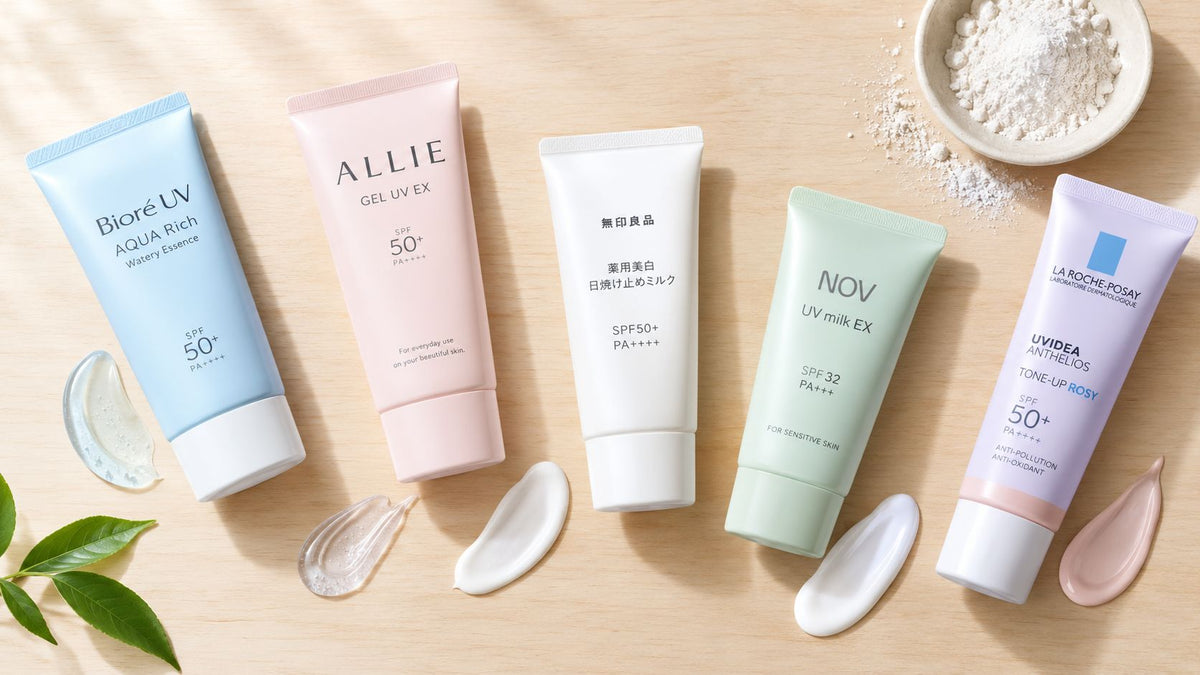
You're standing in front of a Japanese drugstore shelf, surrounded by slim tubes, pastel bottles, unfamiliar characters, and promises of watery, silky, or milk-like finishes. One product says SPF 50+, another highlights PA++++, and a third looks designed to sit beneath makeup. The packaging is appealing, but the underlying question is harder: which Japanese sunscreen fits your skin, climate, routine, and the person you may be buying it for?
Learning how to choose Japanese sunscreen becomes much easier once you separate four decisions: the UV protection on the label, the formula's texture, the ingredients you prefer to avoid, and the conditions in which you'll wear it. The same framework works whether you're choosing a daily sunscreen for yourself or a thoughtful Japanese beauty gift for someone else.
Why Japanese Sunscreens Deserve a Closer Look
The shopper pauses over a row of sunscreens and notices that the products don't look like traditional heavy sun creams. Some resemble moisturising gels. Others come in fluid bottles or compact sticks. The packaging suggests daily skincare rather than an occasional product reserved for the beach.
That design reflects a practical need. Japanese sunscreen labeling developed around two separate measurements, SPF for UVB protection and PA for UVA protection, rather than treating sun protection as a single number. Japanese SPF testing aligns with ISO 24444, while UVA testing aligns with ISO 24442, giving shoppers a more detailed way to compare products across brands. The Japan Cosmetic Industry Association's SPF and PA guidance explains how the PA grades communicate different levels of UVA protection.
Japanese sunscreens also appeal to international shoppers because many are designed for repeated daily wear. A formula that spreads easily, feels comfortable beneath makeup, or doesn't leave a noticeable cast is more likely to become part of a morning routine. That matters more than a dramatic label if a person applies too little or avoids reapplying because the product feels sticky, heavy, or irritating.
Look beyond the shelf appeal
A bottle's colour and finish can suggest who might enjoy it, but they don't tell you enough. A lightweight gel may suit someone who dislikes residue, while a more film-forming lotion may make more sense for outdoor activity, sweat, or water exposure. A mineral formula may appeal to an ingredient-conscious shopper, yet its finish may require more careful matching to skin tone and texture.
Japanese products are also not one uniform category. Some are made for comfortable urban wear, while others prioritise durability. Expert guidance on Japanese sunscreen selection highlights water resistance, film-forming behaviour, texture, and compliance as important considerations alongside SPF and PA.
Practical rule: the right sunscreen is the strongest protection you can apply generously, wear comfortably, and refresh when conditions require it.
That is why a label-literate approach makes a sunscreen easier to choose as a gift, too. You can match the product to a recipient's habits instead of choosing only by popularity or packaging. For broader context on Japanese beauty routines, explore this guide to the best Japanese skincare products.
Decoding SPF and PA on Japanese Labels
Japanese sunscreen labels ask you to read two signals together. SPF describes UVB protection, while PA describes UVA protection. UVB is associated with sunburn, whereas UVA contributes more strongly to photoaging and longer-term skin damage, so SPF alone doesn't tell you how complete the protection is.
What SPF tells you
Japanese labels may show SPF values from SPF 2 through SPF 50+, and products beyond SPF 50 are grouped under the label SPF 50+ rather than displaying a higher number. The revised SPF measurement standards published by the Japan Cosmetic Industry Association in 2007 helped formalise how products are evaluated and compared, with testing aligned to ISO 24444. These details are summarised in the review of Japanese sunscreen labeling and standards.
SPF is primarily the UVB part of the decision. A higher SPF category can be useful for strong exposure, but it doesn't replace the need to check PA. Two products marked SPF 50+ may still offer different UVA signals if their PA grades differ.
What the plus signs mean
The PA system uses a scale from PA+ to PA++++. The Japan Cosmetic Industry Association defines the grades as follows:
| Label | What It Measures | Value Range | Best For |
|---|---|---|---|
| SPF | UVB protection | SPF 2 to SPF 50+ | Comparing protection associated with sunburn |
| PA+ | UVA protection | UVAPF 2 to under 4 | Lower-exposure situations |
| PA++ | UVA protection | UVAPF 4 to under 8 | Everyday exposure where moderate UVA protection is suitable |
| PA+++ | UVA protection | UVAPF 8 to under 16 | Regular outdoor time and stronger daily protection |
| PA++++ | UVA protection | UVAPF 16 or higher | High UVA protection needs and prolonged exposure |
The introduction of PA++++ in 2013 expanded the UVA scale and gave shoppers a clearer signal for higher-performance formulas. In practical terms, SPF 30 with PA++ or higher can suit ordinary urban use, while SPF 50+ with PA++++ is a sensible starting point for prolonged outdoor activity, beach days, or high-altitude exposure, as described in this guide to Japanese sunscreen SPF 50.
Read the pair, not the headline: SPF helps you compare UVB protection. PA tells you more about the UVA side that SPF doesn't show.
When comparing products internationally, remember that Japanese packaging compresses values above SPF 50 into SPF 50+. That means the PA grade becomes especially useful when two products share the same SPF label. Japanese products are commonly treated as cosmetics or quasi-drugs depending on the regulatory classification and product context, so check the current packaging and directions rather than assuming every label follows another country's system.
Understanding Japanese UV Filters and Formulations
Once you understand SPF and PA, look at how the sunscreen creates its protective film. Japanese formulas may use organic filters, inorganic filters, or a combination of both. The choice affects feel, appearance, tolerance, and how well the product fits your routine.
Organic filters, often called chemical filters, absorb UV energy and convert it into heat. Modern formulas may include filters such as Uvinul A Plus and Tinosorb S, while other products use filters such as octocrylene or related ingredients. These formulas often support the lightweight, low-cast finish that attracts people to Japanese sunscreen, although individual tolerance varies.
Inorganic, or mineral, filters include zinc oxide and titanium dioxide. They sit on the skin and reflect or scatter UV. Mineral formulas can be appealing to shoppers who prefer to avoid particular organic filters, but they may feel denser or leave a visible cast, especially when the formula isn't carefully tinted or finely dispersed.
How to compare the main approaches
| Formulation approach | Typical strengths | Possible tradeoffs | Consider it when |
|---|---|---|---|
| Organic filters | Light feel and often an invisible finish | Some ingredients may not suit reactive users | You prioritise cosmetic elegance and have no known sensitivity to the listed filters |
| Mineral filters | Can suit shoppers seeking a mineral-only option | May feel heavier or leave a cast | You want to screen out selected organic filters and can accept a different finish |
| Hybrid filters | Balances several protection and texture goals | Requires a full ingredient check | You want a compromise between appearance, coverage, and wearability |
The label “organic” here describes the filter family, not whether the sunscreen is natural, botanical, or suitable for every sensitive skin type. Ingredient lists can also include film-formers, emollients, humectants, fragrance, alcohol, and plant extracts. Those supporting ingredients may influence comfort as much as the UV filters themselves.
For a closer look at how texture and formula choices affect selection, use this Japanese sunscreen guide as a starting point, then verify the current ingredient list on the product you're considering. Formulas can change, and a familiar product name isn't a substitute for reading the present packaging.
Matching Texture and Finish to Skin and Climate
A sunscreen succeeds only when you can live with it. A person with oily skin may abandon a rich lotion in humid weather, while someone with dry skin may find a quick-drying gel uncomfortable during a dry season. The best texture is therefore a practical match between skin, climate, clothing, makeup, and the amount of time spent outdoors.
Japanese packaging often signals texture with terms such as gel, milk, and essence. Terms that suggest a smooth or comfortable feel can indicate a more cosmetic finish, but they aren't a guarantee of suitability. Read them as clues, then check the product's directions and ingredient list.
Match the format to the situation
| Format | Best for Skin Type | Ideal Season or Climate | Finish Note |
|---|---|---|---|
| Gel | Combination or oilier skin that dislikes weight | Warm, humid days and everyday commuting | Usually light and quick to spread |
| Milk or lotion | Users seeking a more durable film | Outdoor activity, heat, or variable weather | May feel more protective or set more firmly |
| Essence-type fluid | Normal to dry skin and makeup users | Daily wear when comfort matters | Often designed to feel closer to skincare |
| Spray | Body reapplication and convenient touch-ups | Travel or outdoor situations | Coverage can be uneven if sprayed carelessly |
| Stick | Portable reapplication | Travel, commuting, and exposed areas | Convenient, but requires thorough passes |
| Tone-up or tinted formula | People who want a visible cosmetic effect | Makeup routines and selected daily settings | Can brighten or alter the appearance of the skin |
Climate changes the decision. A humid summer calls for a finish that doesn't become uncomfortable as the day progresses. A dry winter may favour a more emollient texture, while bright coastal conditions and active outdoor use make durability and reapplication especially important.
Test the finish before giving it
If you're buying for yourself, apply the product during a normal morning and observe whether it pills beneath makeup, stings near the eyes, feels tight, or becomes overly shiny. For a gift, choose a broadly wearable texture only when you know the recipient prefers that style. Otherwise, a skincare gift set with clearly described options may be more considerate than guessing at a highly specific finish.
The comparison of Japanese milk and gel sunscreens can help clarify the practical difference between these formats. Treat the distinction as a starting point, not a ranking. A high-protection sunscreen that feels unpleasant may be a poorer choice than a comfortable formula that the user applies correctly and consistently.
Ingredient Checks and Allergy-Smart Screening
A polished texture doesn't make a sunscreen suitable for every person. If someone has reactive skin, known allergies, or a carefully limited routine, ingredient screening should come before brand familiarity.
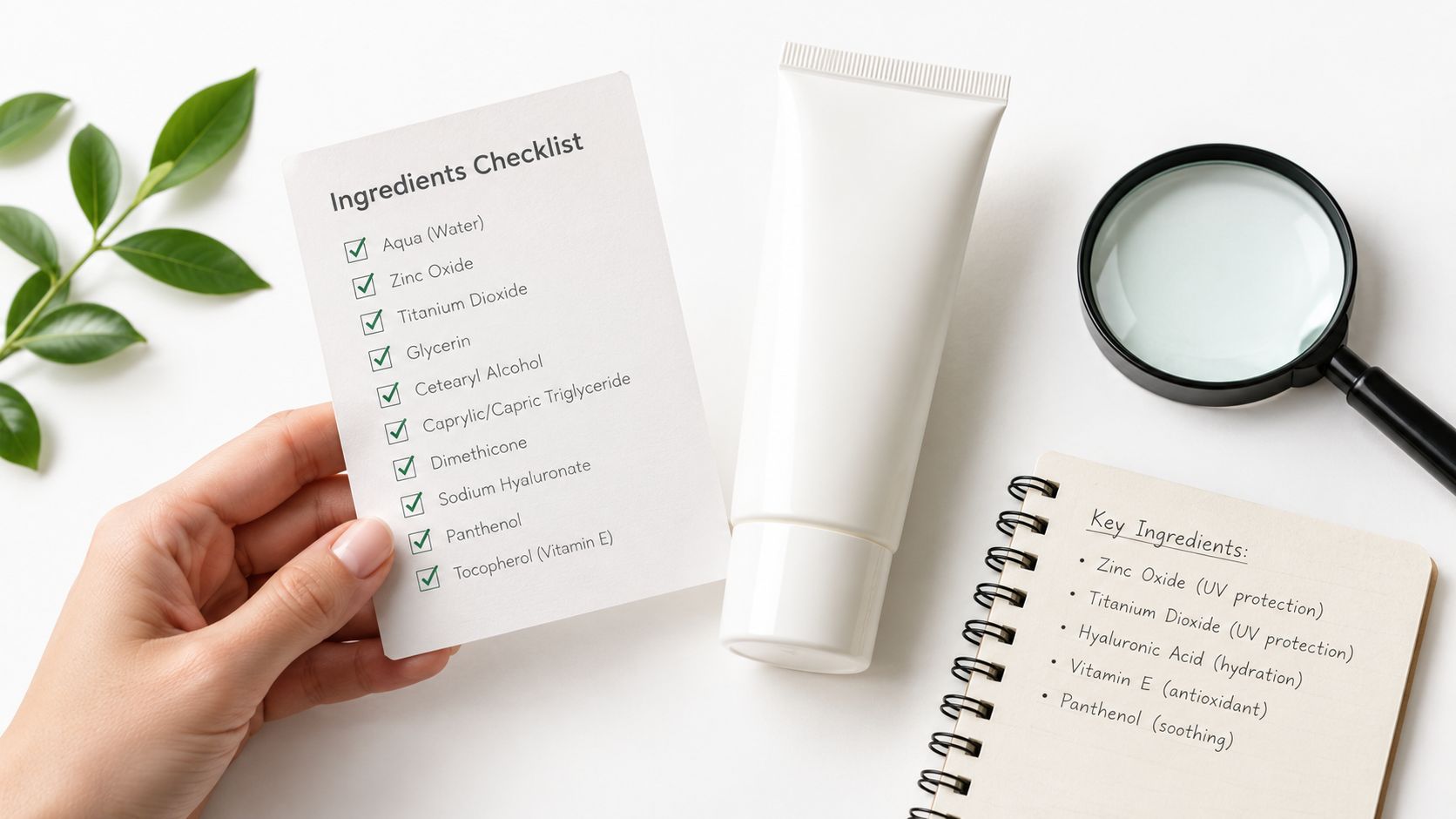
Read the full list patiently
Look for the complete ingredient list, often marked with ****, meaning full ingredients. Start with the UV filters, then scan the supporting formula for fragrance, ethanol, preservatives, and botanical extracts that may be relevant to the user's history.
Independent coverage of Japanese sunscreen ingredients notes that formulas may combine newer organic filters such as Uvinul A Plus and Tinosorb S with other filters, while mineral products may use micronised zinc oxide or titanium dioxide. It also highlights octocrylene as an ingredient that can be a contact allergen in patch-test populations. That doesn't mean every person will react, but it does make personal screening more useful than assuming a product is universally gentle. See the ingredient-focused discussion of Japanese sunscreen safety.
Useful label cues may include:
- ****, fragrance-free
- ****, no added colourants
- ****, alcohol-free
- ****, intended for sensitive skin
- ****, non-comedogenic tested
These terms describe formulation aims or testing claims. They don't guarantee that a product will suit every individual, so compare them with the recipient's preferences and known sensitivities.
Patch test before full use
Apply a small amount to the inner arm and observe the area for 24 to 48 hours before using the sunscreen more widely. If redness, itching, burning, swelling, or another concerning reaction appears, wash the area and stop using the product. Anyone with a significant allergy history or recurring reactions should seek guidance from a qualified healthcare professional.
Keep a simple note of the product name, filters, fragrance status, and the result. Over time, that record makes future choices calmer and more precise. A Japanese sunscreen guide for sensitive skin can support the screening process, but the current package remains the most reliable reference for the exact formula.
Application and Reapplication That Actually Works
A sunscreen label describes tested protection under specific conditions. Your routine determines whether you receive that protection in practice. Thin, elegant Japanese textures can spread quickly, which makes it easy to apply less than intended.
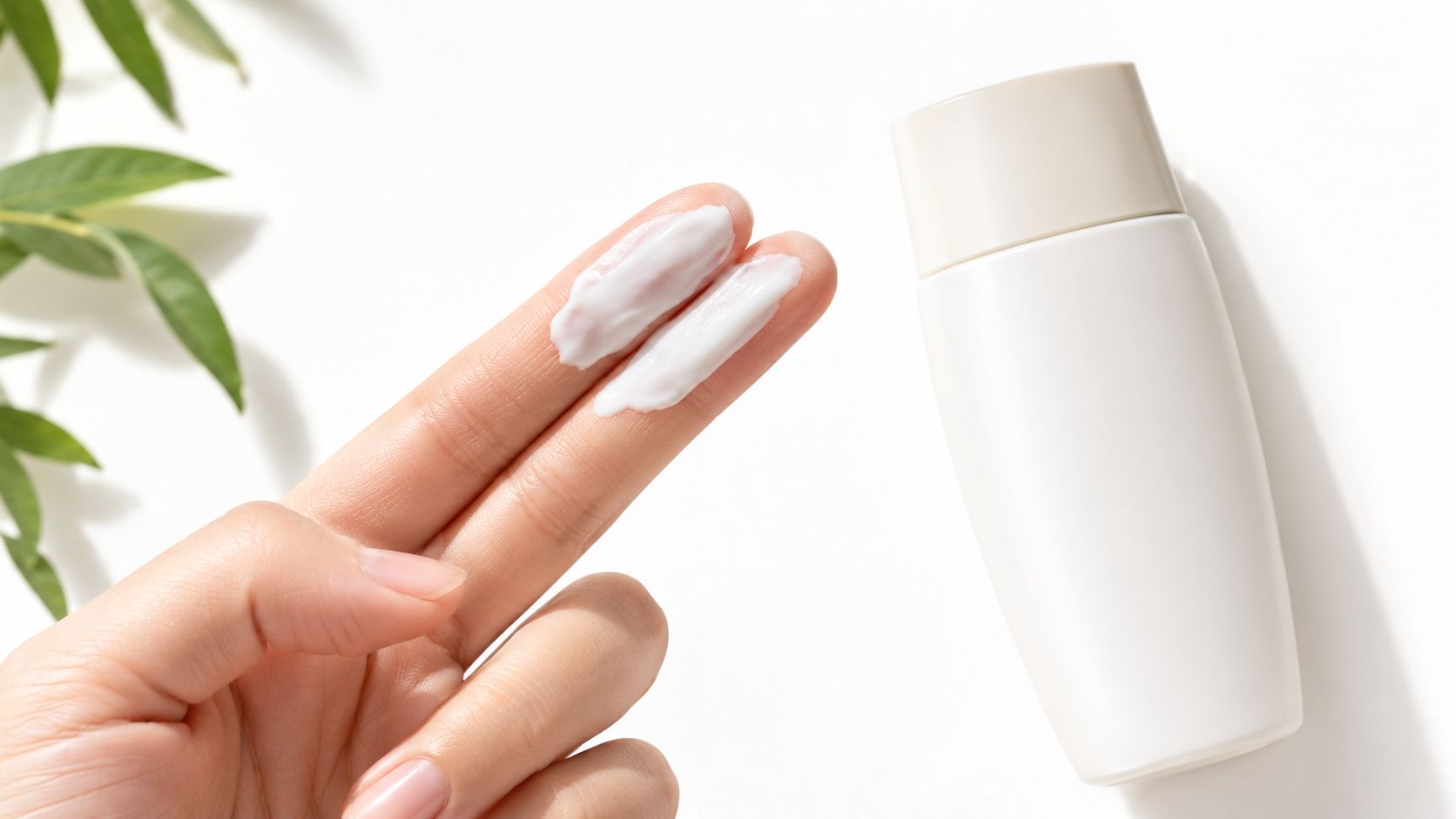
Apply sunscreen as the final skincare step before makeup. Cleanse, hydrate, use your usual essence or serum, and then spread sunscreen evenly across the face, ears, neck, and other exposed areas. Follow the quantity shown on the product packaging, especially if the tube provides a visual measurement or a marked amount.
A practical routine looks like this:
- Use enough product. Don't let a watery texture persuade you that a very thin layer is sufficient.
- Spread in sections. Apply to the face, neck, and exposed areas rather than relying on one small dot.
- Allow the film to settle. This can reduce pilling before makeup.
- Refresh when exposure changes. Reapply after swimming, heavy sweating, toweling, or extended time in direct sun.
- Use a suitable format for touch-ups. Sticks, mists, and powders can help during the day, but make sure the method provides even coverage rather than only a quick pass over the most visible areas.
High SPF cannot compensate for skipped areas, an insufficient amount, or a film that has been removed by water, sweat, or friction.
In an office or indoor routine, follow the product's directions and refresh when you have ongoing exposure through windows or spend time outside. For outdoor activity, prioritise a water-resistant, film-forming formula and plan reapplication rather than treating the first application as all-day protection.
This short visual guide can help you think about quantity and coverage before you build the habit.
Makeup reapplication needs planning. A sunscreen mist may work over a finished look, while a stick may suit small exposed areas, but neither should become an excuse to ignore the original morning application. The goal is a consistent protective film that matches the day's conditions.
Choosing Japanese Sunscreen as a Gift
A sunscreen gift becomes more thoughtful when you match the formula, not just the country of origin or the popularity of the label. Start with the recipient's routine. Do they spend time outdoors, wear makeup, prefer a matte finish, or avoid fragrance and selected filters?
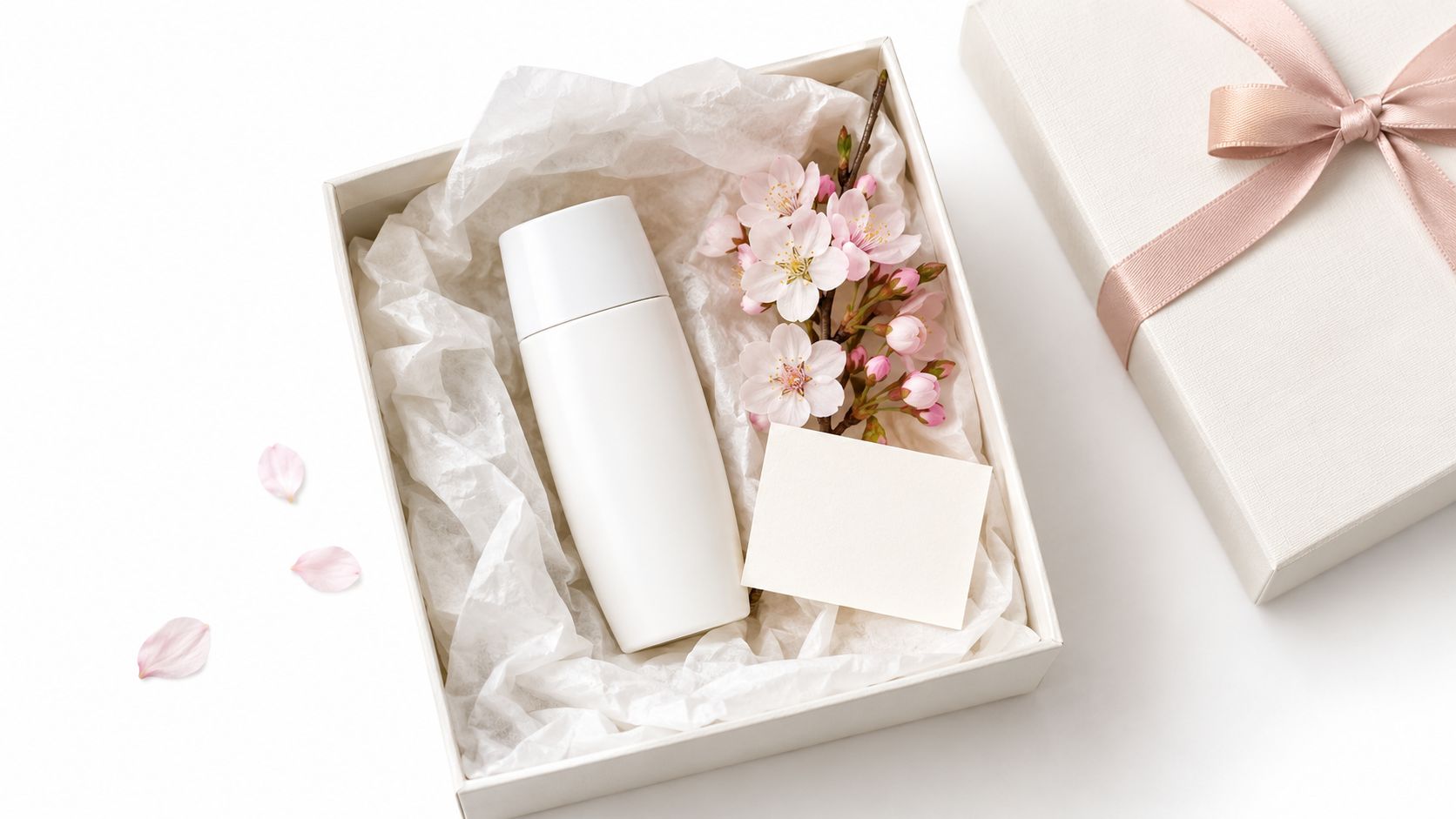
For someone moving between humid summers and dry winters, a comfortable hydrating milk may be more useful than a single-purpose outdoor formula. For a recipient with sensitive skin, a mineral option may be worth considering, provided you've checked the ingredients and are confident they're comfortable with a possible cast or heavier finish. Someone beginning a Japanese beauty routine may appreciate a familiar daily sunscreen with an easy texture, while smaller formats can suit travel gifts, stocking fillers, or an omiyage-inspired assortment.
Match the gift to the occasion
- Birthday: Choose a daily formula that fits the recipient's existing skincare and makeup habits.
- Summer send-off: Consider a product suited to outdoor exposure, then check its water-resistance and reapplication directions.
- Travel gift: A portable stick or compact format may be convenient, provided the recipient understands that convenience doesn't replace thorough coverage.
- Post-treatment present: Avoid making medical or recovery claims. A fragrance-free, carefully screened option may be considerate, but the recipient should confirm suitability with their clinician.
- Japanese beauty introduction: Pair sunscreen with compatible skincare or lifestyle items only when the exact contents and preferences are clear.
Before buying, verify the current product listing, ingredients, size, variant, and packaging. Don't assume a gift includes wrapping, a card, accessories, or a particular presentation unless the listing says so. Check the recipient's allergies as discreetly as possible, and offer the product information so they can patch test before regular use.
The essential recap is simple: read SPF and PA together, match texture to skin and climate, screen ingredients thoughtfully, and treat reapplication as part of protection. For a considered present, curated Japanese skincare collections can make it easier to explore authentic beauty products alongside other Japanese gifts without forcing a single formula on every recipient.
Gift Me Japan offers carefully curated Japanese gift sets combining beauty, skincare, lifestyle products, and snacks sourced directly from Japan. Visit Gift Me Japan to explore Japanese skincare and gift options that can help you choose a thoughtful present with the recipient's routine and preferences in mind.
Share:
Anessa Milk vs Gel Sunscreen: A Practical Comparison